💰 Personal Finance Guide

Simple principles for building wealth and financial freedom

🎯 Understanding Money

Personal finance is about managing your money wisely: how you earn, save, spend, and invest it. It's not just about getting rich — it's about building financial security and peace of mind.

The fundamental questions to ask yourself:

  • Do I know where my money goes each month?
  • Do I save before spending?
  • Have I set clear financial goals?

The Three Pillars of Personal Finance:

  • Track spending: You can't manage what you don't measure. Use a simple notebook, spreadsheet, or app.
  • Set goals: Define short-term goals (emergency fund, vacation) and long-term goals (house, retirement).
  • Pay yourself first: Save or invest a portion of your income immediately, before spending on anything else.

💡 Golden Rule: Spend less than you earn, and invest the rest. It's that simple.

📊 Budgeting & The 50/30/20 Rule

A budget gives every rupee a purpose. The simplest framework is the 50/30/20 rule:

  • 50% — Needs: Essentials like rent, groceries, utilities, loan EMIs, insurance.
  • 30% — Wants: Entertainment, dining out, hobbies, shopping — things you enjoy but don't need.
  • 20% — Savings & Investments: Emergency fund, mutual funds, stocks, PPF, retirement accounts.

Building Your Emergency Fund:

Before investing, build an emergency fund covering 6-12 months of expenses. Keep it in a liquid savings account or liquid mutual fund — accessible but not too accessible.

Automate Your Savings:

Set up automatic transfers on payday. When saving is automatic, you don't rely on willpower. You pay yourself first before the money disappears into daily expenses.

💡 Pro Tip: Adjust the percentages based on your situation. If you're in debt, allocate more to paying it off. If you earn well, save more than 20%.

💳 Managing Debt & Credit

Not all debt is bad. A home loan or education loan can be good debt — it helps you acquire assets or skills that appreciate over time. But high-interest debt (credit cards, personal loans) is dangerous and should be avoided.

Smart Debt Management:

  • Pay credit cards in full: Never carry a balance. Credit card interest rates (36-48% annually) will destroy your wealth.
  • Use the Avalanche Method: If you have multiple debts, pay off the highest interest rate first while maintaining minimum payments on others.
  • Borrow wisely: Only take loans for appreciating assets (home, education) — never for depreciating items (car, vacation, gadgets).

Understanding Your CIBIL Score:

Your credit score (300-900) determines your borrowing power. Above 750 is excellent. Maintain it by paying all EMIs and bills on time, keeping credit utilization below 30%, and not applying for too many loans/cards at once.

💡 Remember: If you can't afford to pay cash for something, you probably can't afford to put it on a credit card either.

📈 The Power of Compounding

Albert Einstein reportedly called compound interest the "eighth wonder of the world." Here's why:

The Rule of 72:

Divide 72 by your annual return rate to find how many years it takes to double your money. At 12% returns, your money doubles in 6 years. At 8%, it takes 9 years.

Why Starting Early Matters:

If you invest ₹5,000/month starting at age 25 with 12% returns, you'll have ₹3.5 crore by 55. Start at 35? You'll have only ₹1 crore. Same monthly investment, 10 years less time — ₹2.5 crore difference!

The Three Rules of Compounding:

  • Start early: Time is your greatest asset. Even small amounts grow massive over decades.
  • Stay consistent: Regular investing (SIP) beats timing the market every time.
  • Never interrupt: Don't withdraw from long-term investments for short-term needs.

💡 The Magic: Compounding works on your returns too. You earn interest on your interest. This is why the growth curve is exponential, not linear.

🏦 Investment Options in India

From lowest to highest risk — here are your options:

Low Risk (Capital Preservation):

  • Fixed Deposits (FD): 6-7% returns, guaranteed but taxable. Good for short-term goals.
  • PPF (Public Provident Fund): 7.1% tax-free returns, 15-year lock-in. Excellent for long-term, tax-free growth.
  • Debt Mutual Funds: 7-9% returns, more tax-efficient than FDs for holding > 3 years.

Medium Risk (Balanced Growth):

  • Hybrid/Balanced Funds: Mix of equity and debt. 10-12% expected returns with moderate volatility.
  • Gold (SGBs or Gold ETFs): Hedge against inflation. Sovereign Gold Bonds give 2.5% annual interest plus gold price appreciation.

Higher Risk (Wealth Creation):

  • Index Funds/ETFs: Track Nifty 50 or Sensex. 12-15% historical returns. Warren Buffett's recommendation for most investors.
  • Equity Mutual Funds: Actively managed, aim to beat the market. Higher expense ratio but potential for better returns.
  • Direct Stocks: Highest potential returns but requires knowledge, time, and emotional discipline.

💡 Beginner's Path: Start with Index Funds via SIP. Once you understand markets better, you can explore individual stocks and other options.

📉 Stock Market Basics

The stock market is where you buy ownership in companies. When you own a stock, you own a tiny piece of that company's future profits.

Key Terms to Know:

  • NSE & BSE: India's two main stock exchanges. NSE is larger and more liquid.
  • Nifty 50: Index of 50 largest NSE companies. Benchmark for Indian markets.
  • Sensex: Index of 30 largest BSE companies. Older but still widely tracked.
  • Demat Account: Where your stocks are held electronically. You need this + trading account to invest.

How to Start:

  • Open a Demat + Trading account (Zerodha, Groww, etc.)
  • Start with Index Funds or Blue-chip stocks
  • Use SIP (Systematic Investment Plan) to invest regularly
  • Think in years, not days. Markets go up and down but trend upward long-term

Common Mistakes to Avoid:

  • Trading based on tips or rumors
  • Panic selling during market crashes
  • Trying to time the market instead of time IN the market
  • Putting money you need soon into volatile stocks

💡 Warren Buffett's Advice: "The stock market is a device for transferring money from the impatient to the patient." Invest for the long term.

🛡️ Tax Saving & Insurance

Tax Saving Under Section 80C (₹1.5 Lakh limit):

  • ELSS Mutual Funds: Only 3-year lock-in, potential 12-15% returns. Best tax-saving option for most.
  • PPF: 15-year lock-in, 7.1% tax-free returns. Safe and guaranteed.
  • NPS (National Pension System): Additional ₹50,000 deduction under 80CCD(1B). Good for retirement planning.
  • EPF: If you're salaried, this is automatic. Don't withdraw it early.

Essential Insurance:

  • Health Insurance: Get at least ₹10 Lakh cover for family. Medical inflation is ~15% annually. Don't rely on employer insurance alone.
  • Term Life Insurance: If you have dependents, get a pure term plan (10-15x your annual income). Avoid ULIPs and money-back policies — they're expensive and give poor returns.

Tax Harvesting:

Long-term capital gains (LTCG) above ₹1 lakh on equity are taxed at 10%. You can book ₹1 lakh gains tax-free each year by selling and re-buying — this is called tax harvesting.

💡 Golden Rule: Never mix insurance with investment. Keep them separate — term insurance for protection, mutual funds/stocks for wealth creation.

🎓 Building Financial Wisdom

Recommended Learning Resources:

  • Zerodha Varsity: Free, comprehensive course on markets and investing. Start here.
  • The Psychology of Money (Book): Morgan Housel's masterpiece on behavior and wealth.
  • Let's Talk Money (Book): Monika Halan's practical guide for Indians.
  • Freefincal: Excellent blog for DIY investors with spreadsheets and calculators.

Key Principles to Remember:

  • Diversify: Don't put all eggs in one basket. Spread across asset classes.
  • Keep costs low: High expense ratios eat into returns. Choose direct plans over regular.
  • Ignore noise: Financial media thrives on fear and greed. Tune it out.
  • Review annually: Rebalance your portfolio once a year, not more.
  • Stay the course: The best time to invest was yesterday. The second best time is today.

💡 Final Thought: Building wealth is simple but not easy. The gap between knowing and doing is where most people fail. Start small, stay consistent, and let time do the heavy lifting.

Tools That Make This Practical

Reading principles is good. Running your own numbers is better.

🛍️ Want The Full Money System?

If the calculators help but you want a cleaner day-to-day setup, I added a finance template pack and a free starter cheat sheet in the shop.

📖 Books That Changed How I Think About Money

These aren't textbooks — they're the books that shifted my mindset about wealth, investing, and life decisions.

Principles cover

Principles

Ray Dalio — Decision-making frameworks from one of the greatest investors.

Naval Almanack cover

The Almanack of Naval Ravikant

Eric Jorgenson — Wealth, happiness, and specific knowledge explained simply.

Poor Charlie's Almanack cover

Poor Charlie's Almanack

Charlie Munger — Mental models and clear thinking for investing and life.

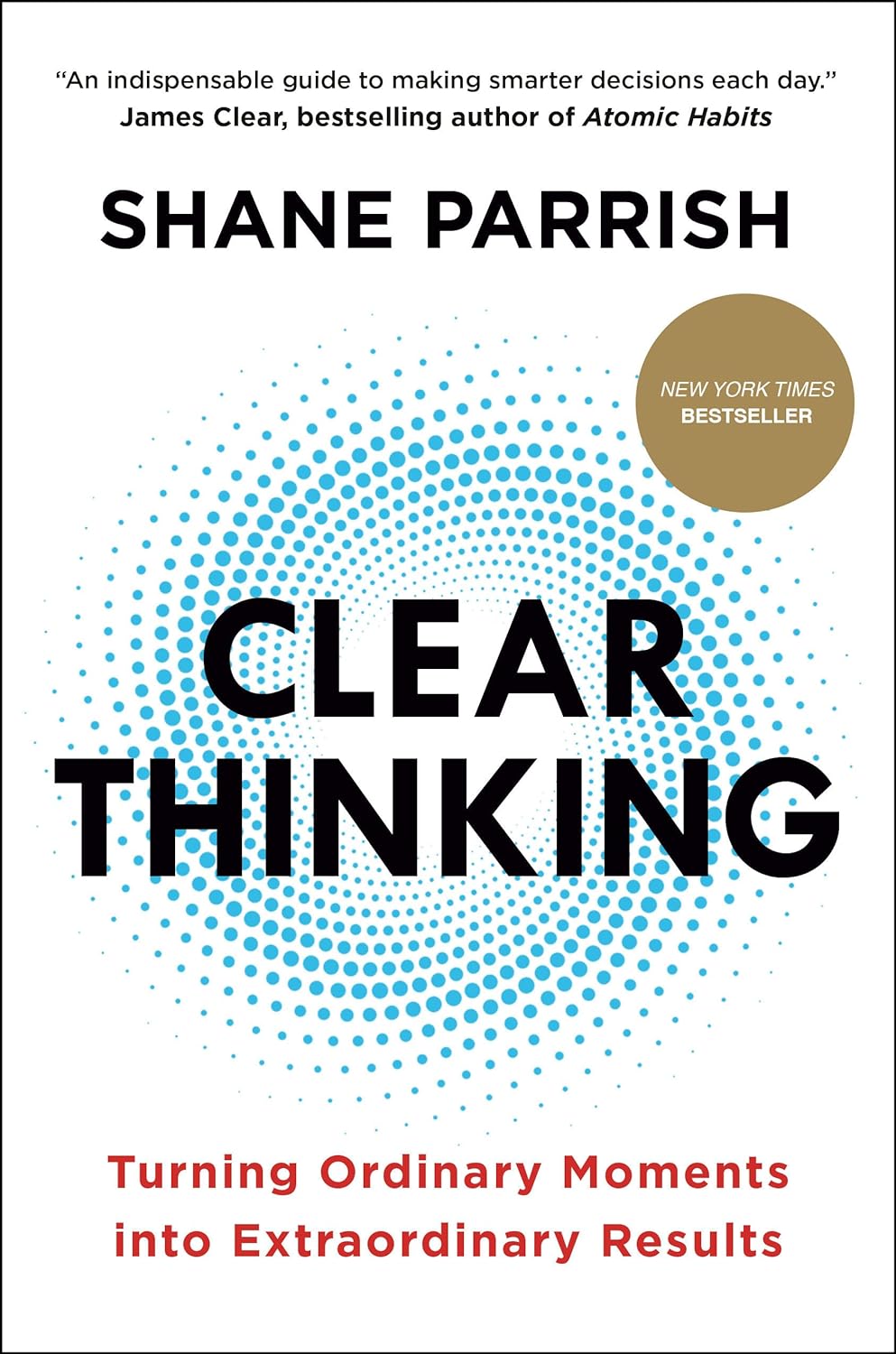
Clear Thinking cover

Clear Thinking

Shane Parrish — Avoid the mistakes that cost you money and time.

See all my book reviews →